AI News · Edition 67 ·
Private AI on your own Mac: useful for some, oversold for most
Meta's new open model runs on Apple's own chips. That matters for clinics and schools with sensitive data, but it's too early to buy anything.
The one that matters
Meta releases an AI model that runs on your own Mac. Here's when keeping AI in-house is worth it
What happened
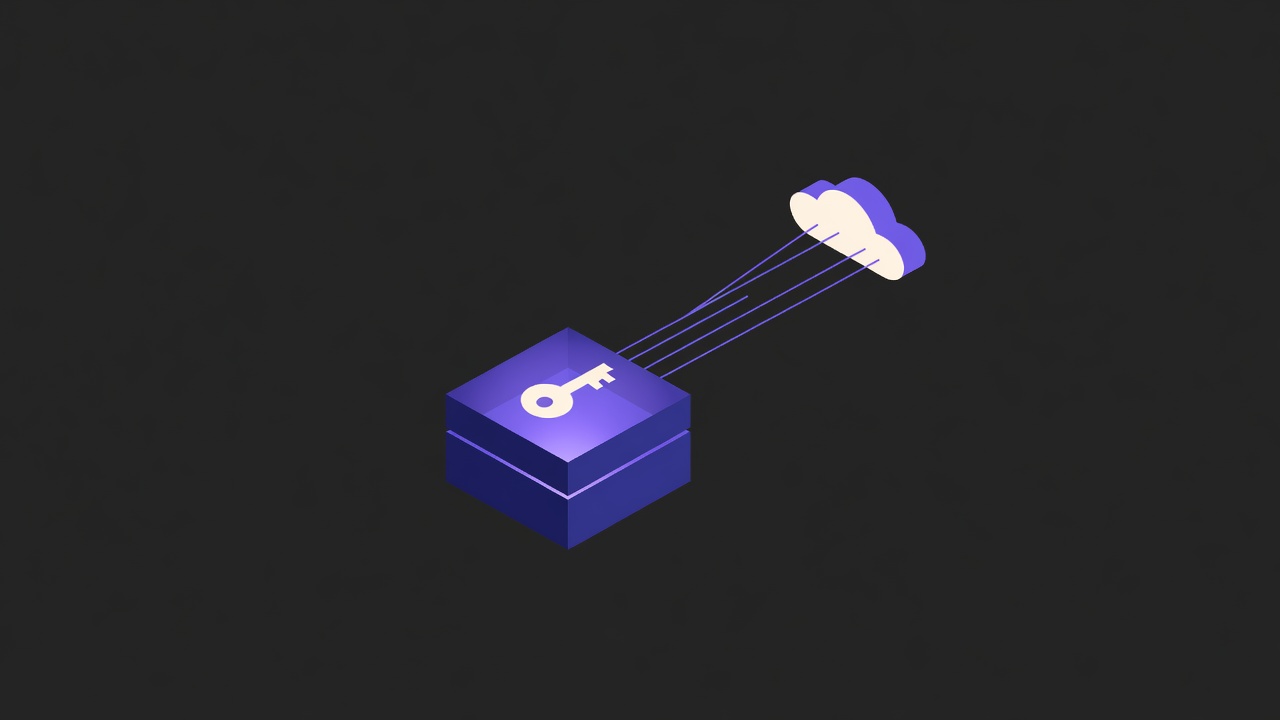
Meta has launched Muse Spark Open, an open-weight AI model. It worked with Apple on the launch, and the model runs locally on Apple silicon, the chips Apple has put in its Macs since 2020. Open-weight means you can download the model and run it on your own machine. You don't only reach it over the internet through someone else's service, which is how ChatGPT or Claude normally work. Running locally means the questions you type and the documents you give it are processed on the computer in front of you.
That is all that has been confirmed so far. The launch details published so far don't say which Macs are powerful enough or how much memory the model needs. They don't say how it compares with the big paid assistants, or what the licence allows for commercial use. Those details decide whether it's useful to you, so treat what follows as a way to think about it, not a verdict.
What it means for your business
The important part isn't Meta or Apple. It's the direction. Capable AI is moving from rented cloud services onto hardware a small business already owns or can buy outright. That matters most when the data is sensitive and the task is routine.
- A 30-bed clinic that wants help summarising discharge notes or drafting referral letters can't comfortably paste patient details into a public chatbot. Canada's provincial health privacy laws and India's Digital Personal Data Protection Act both push you to keep that information under your control. A model running on a machine inside the clinic changes that conversation.
- A 600-student school drafting report-card comments or letters to parents is handling children's names, marks and family details. Doing that on a school-owned computer, not on a teacher's personal chatbot account, is much easier to defend to parents.
- A workshop with 40 staff that wants to search its own quotes, drawings and supplier contracts may prefer that none of it ever leaves the building.
The cost model changes too. You stop paying a monthly fee per user. Instead you pay once for hardware, and after that mostly for someone's time to set it up and keep it running.
What it does NOT mean
It doesn't mean AI is now free, and it doesn't mean you should cancel your paid tools. Expect posts promising 'private ChatGPT on your laptop at zero cost'. Those posts skip three things.
- Quality. Models small enough to run on one computer are usually less capable than the largest cloud models. Nothing published so far shows this one is an exception.
- Effort. Someone has to install it, update it, decide who can use it and check its answers. That costs staff time or a vendor's bill.
- Security. Running locally doesn't make it secure. A Mac holding patient summaries still needs a password, disk encryption and backups, and it can still be stolen.
This launch is aimed at Apple silicon. If your office runs on Windows PCs, don't assume it applies to you until someone confirms it does. Anyone urging you to buy a batch of Macs this week is selling hardware, not solving a problem.
What a sensible owner should do this month
- List the tasks where privacy is the only thing stopping you. If confidentiality is the one reason you haven't used AI for a task, write that task down. That list is your shortlist for local AI.
- Don't buy anything yet. Give independent testers a few weeks to report which Macs and how much memory the model really needs. Check the licence for commercial use too.
- If you already own a recent Mac, ask your IT person or vendor to spend an afternoon testing it on made-up data, such as invented patient records or sample invoices. Judge it on your real task, not on demos.
- Make one rule now: confidential records never go into personal chatbot accounts. That rule protects you today, whether or not you ever adopt this model.
Also worth knowing
How this briefing is put together
Every morning we read the day’s AI announcements and reporting from the companies themselves and from the technology press, then pick the handful that actually change something for a working business. The analysis is ours and it is written for owners and managers, not engineers. Every story links to its original source — read them, and disagree with us where we’ve got it wrong.